







Does a block need one EPC or one per flat?
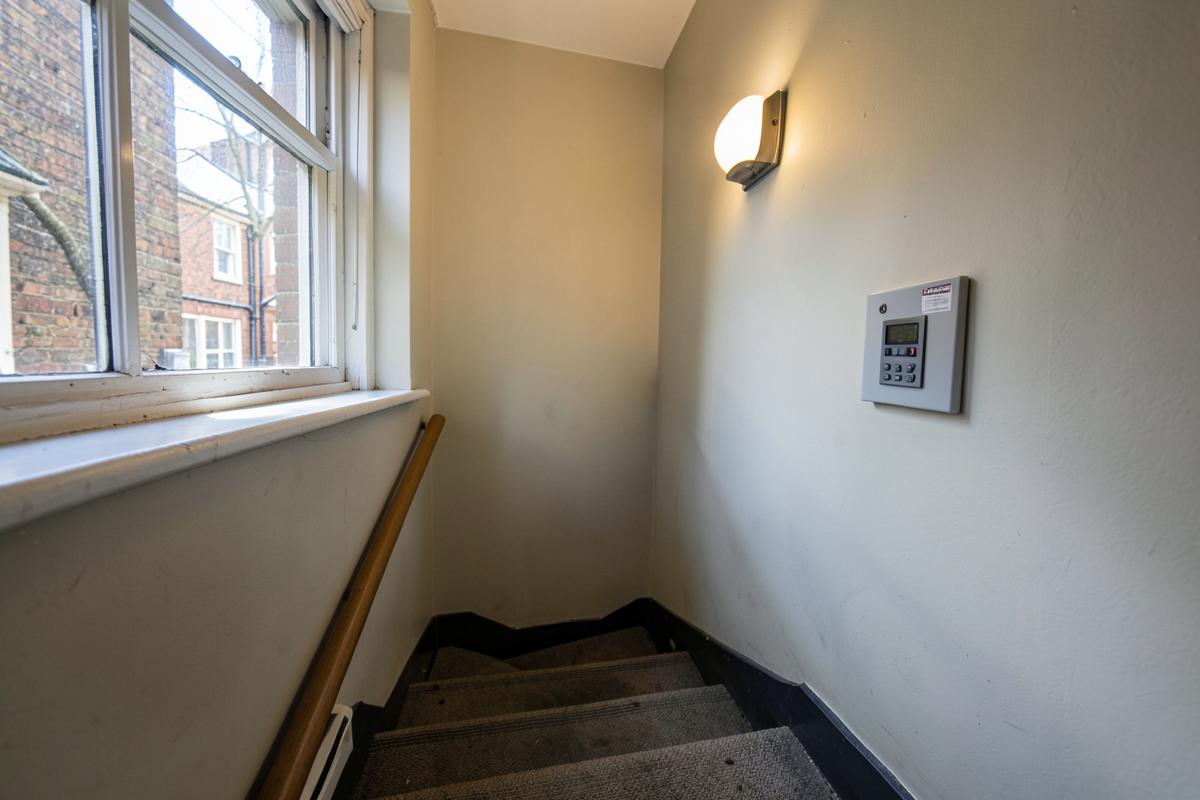
One per flat. An Energy Performance Certificate is issued against an individual dwelling, so a thirty-unit block being sold off or re-let over time eventually needs thirty certificates, each modelled from that flat's own floor area, exposure, glazing and heating. There is no single EPC for a residential block. The fire duty works the other way round: the fire risk assessment covers the common parts as one system — the stairwell, the corridors, the plant rooms, the flat entrance doors where they open onto the escape route — and it is required continuously, not only when a flat changes hands. Instructing both together means one visit produces the certificates you need for lettings and the assessment you need for the building.
What the package covers
The scope is set by the block, but a typical instruction includes the following.
- An EPC for every accessible flat, lodged on the national register
- Fire risk assessment of the common parts with a prioritised action plan
- Fire door and escape route observations, including flat entrance doors
- Fire alarm servicing to BS 5839 and emergency lighting testing to BS 5266 where systems exist
- A schedule showing which flats were surveyed and which could not be accessed
- One consolidated invoice and one point of contact for the whole block
Access is the whole job
On a block, the survey is straightforward and access is the difficulty. We plan around it rather than hoping: a single letter to residents explaining what is happening and why, a time window per flat rather than a whole-day wait, a named coordinator your caretaker or concierge can ring, and a sweep visit for the flats nobody was home for. The report tells you exactly which units were done and which are outstanding, so you are never guessing at coverage when a solicitor asks. Where the block has a communal boiler or district heating, we record the actual arrangement rather than letting the software default it, because that single input can move every flat in the building by a band.
Why the fire assessment should not wait for the EPCs
The fire risk assessment is the item with legal exposure attached to it right now. The Fire Safety Order requires a suitable and sufficient assessment of the common parts, reviewed regularly and after material change, and since the Fire Safety Act 2021 that duty explicitly covers the structure, external walls and flat entrance doors. Enforcement does not wait for a sale. In practice, freeholders and agents who instruct EPCs when a flat becomes vacant and treat the fire assessment as a separate annual chore are the ones who end up with an out-of-date assessment on a building where something has changed. Booked together, both stay current and both sit on one review date.
What it costs
EPC guide pricing starts from around £28 per flat subject to review and falls further on larger instructions, because a single mobilisation spreads the travel and set-up across every unit. The fire risk assessment is priced on the number of floors, flats and stair cores, and alarm and emergency lighting testing on the number of devices and luminaires. Everything is quoted in writing against your actual block before anything is booked, and the bundled figure sits below the cost of instructing the elements separately. Non-domestic space in the building — a commercial ground floor, a concierge suite — is assessed separately using SBEM and priced on floor area.