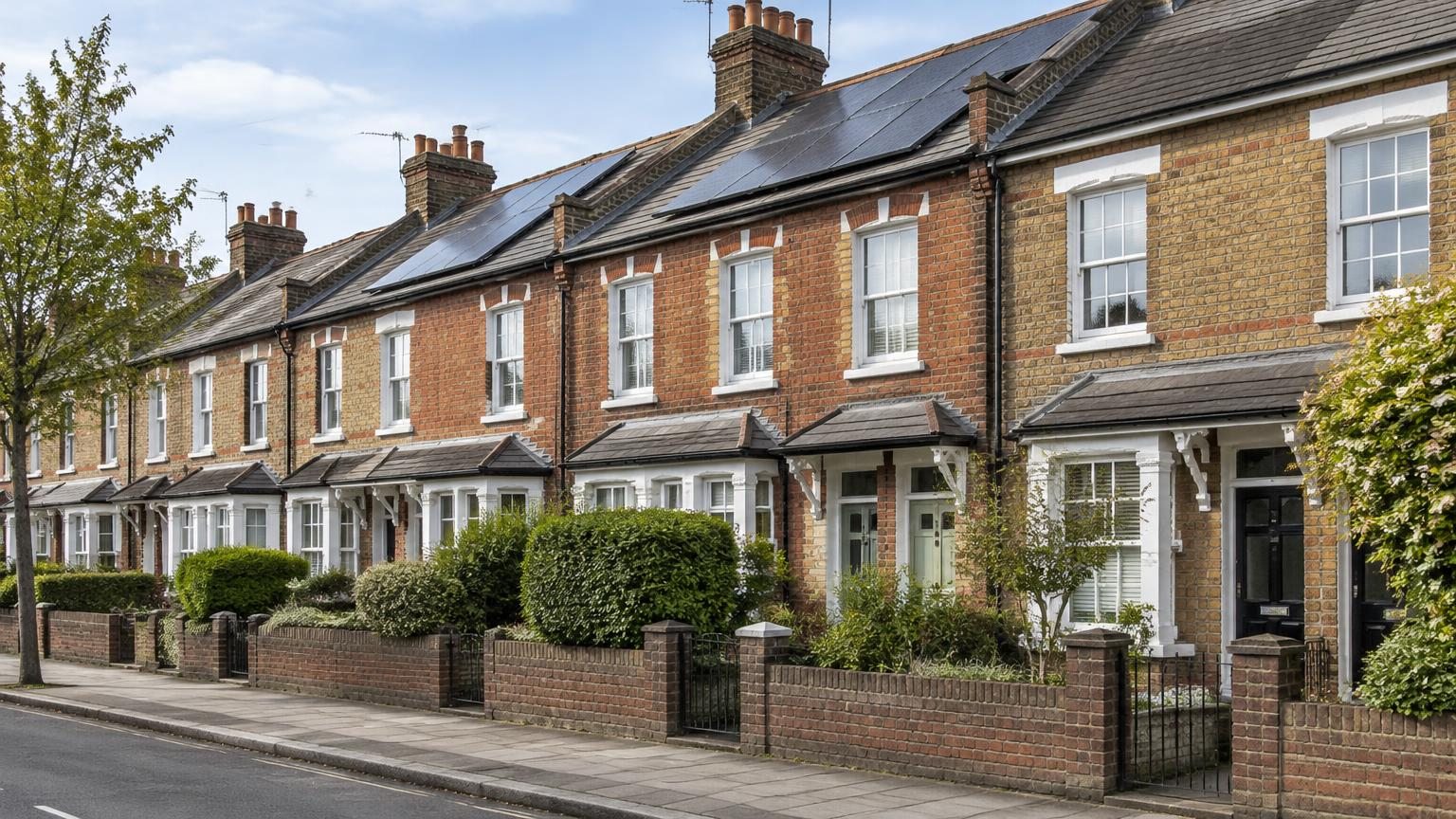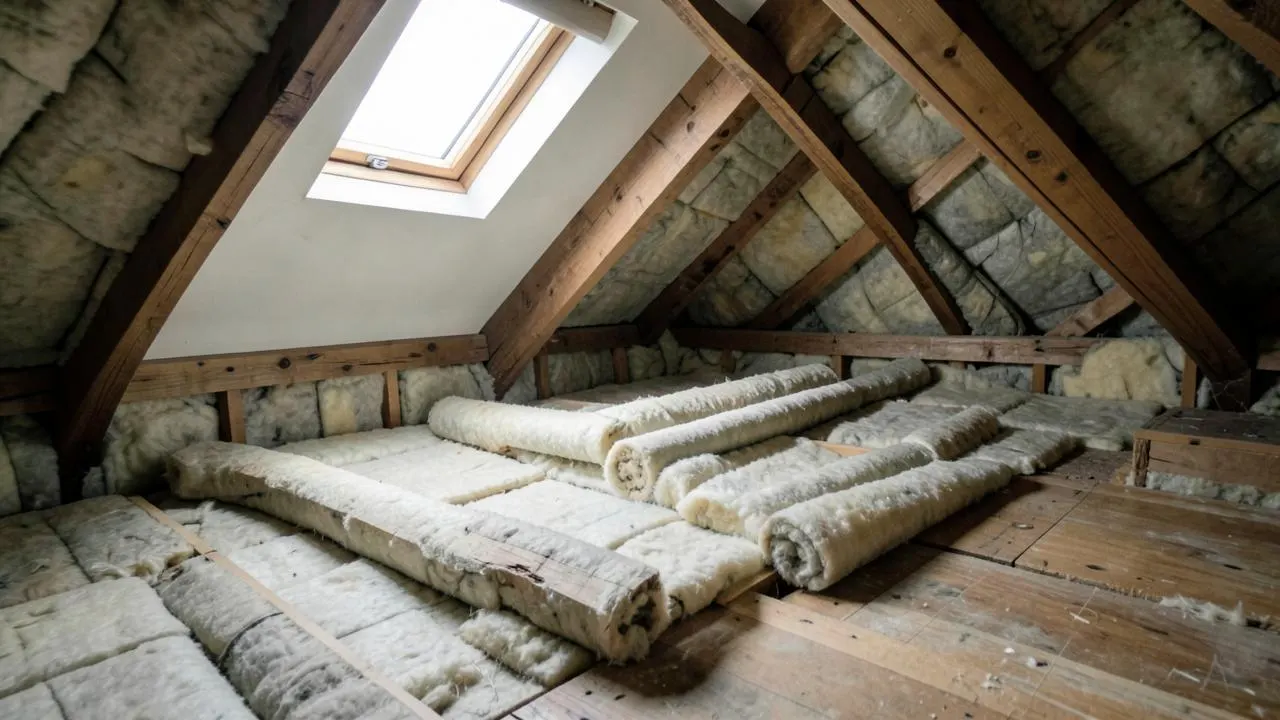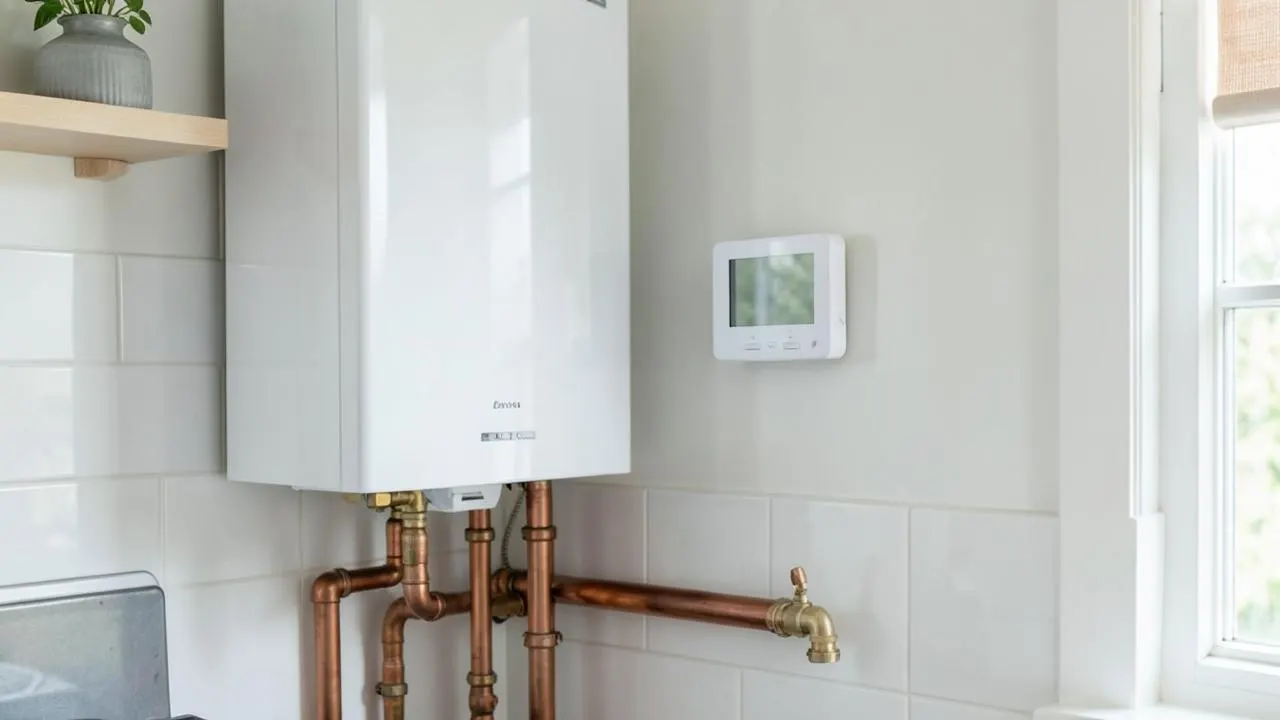








First identify which flat you actually have
A top-floor flat may have an exposed roof; a ground-floor flat may lose heat through a floor; a mid-floor flat often has heated homes above and below. External wall area, age, construction and heating also matter. Two flats in the same street can need different measures. Find your exact address on the government EPC register and read the certificate’s feature descriptions and recommendations, not just the headline letter. If the record predates alterations or contains an apparent error, discuss it with the assessor before commissioning replacement equipment.
Who controls the work? Use this decision table
The answer depends on the lease, property boundaries and building arrangements. This table is a discussion starting point, not a legal statement about your individual lease. Obtain written consent where needed and check planning, building regulations and conservation restrictions. Do not begin invasive work merely because an EPC recommends insulation.
| Measure | Usual starting conversation | What to check |
|---|---|---|
| Lighting and in-flat controls | Owner and competent installer | System compatibility and safe installation |
| Window replacement | Leaseholder, freeholder or managing agent | Lease consent, appearance, planning and evidence |
| Roof insulation | Freeholder or managing agent | Ownership, access, ventilation and roof works |
| Internal wall insulation | Owner, building manager and specialist | Consent, moisture design, space and fire safety |
| Communal heating changes | Managing agent or heat-network operator | Plant details and building-wide programme |
The zero-spend first step: collect accepted evidence
Locate the existing EPC, window installation records, insulation specifications, heating manuals and invoices. Ask the managing agent for relevant building records if shared systems or construction details are unclear. Evidence must relate to this property and meet assessment requirements. A sales brochure, memory of refurbishment or invoice without a specification may not be sufficient. Documentary proof helps the assessor record features accurately where it is accepted; it does not entitle a landlord to a chosen rating. Never cover up defects or ask for an assumed specification.
Lower-cost measures to check inside the flat
Where suitable, look at existing heating controls, low-energy lighting, an under-insulated hot-water cylinder and controllable draughts. A cylinder jacket is irrelevant to a flat without a cylinder. Thermostatic radiator valves must be compatible with the heating system and controls strategy. Draught proofing must not obstruct intentional ventilation, air bricks, combustion air or a fire door’s operation. The EPC score may respond differently from actual bills; get advice on suitability and modelled impact before spending purely to change the band.
Check before requesting an installer quote
- Does the certificate match the heating actually installed?
- Are thermostat, timer and radiator controls present and functioning?
- Is there a cylinder, and what insulation does it already have?
- Can lighting be improved without altering safety-critical fittings?
- Are draughts accidental gaps or necessary ventilation?