

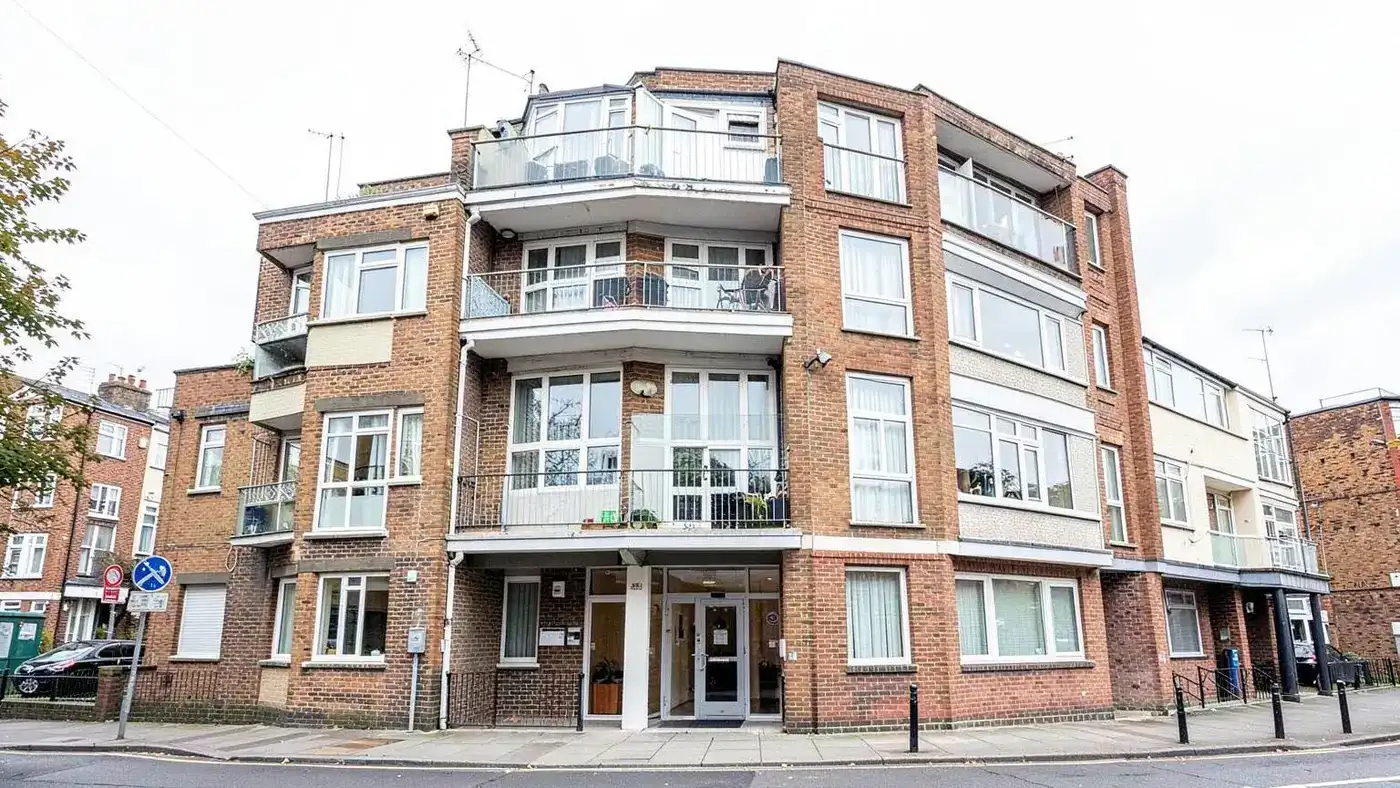






Does a block of flats need one EPC or one per flat?
One per flat. An Energy Performance Certificate is issued against an individual dwelling, so a thirty-unit block that is being sold off or re-let over time needs thirty certificates, each modelled from that flat's own floor area, exposure, glazing and heating. There is no such thing as a single EPC for a residential block. Where the block also has non-domestic space — a concierge suite, a commercial ground floor, offices in the same building — that area is assessed separately as a non-domestic EPC using SBEM rather than RdSAP. The advantage of instructing a whole block at once is not fewer certificates; it is one survey visit, one set of access arrangements and a much lower cost per unit than ordering them one at a time.
How we survey a block in a single mobilisation
We agree an access window with you or the concierge, work floor by floor through the building, and record each flat individually. Repeating flat types across floors are still measured and checked rather than copied — but they survey quickly, which is where the per-unit saving comes from. Communal areas, the plant room and the heating arrangement are inspected once and applied to every affected unit. Where a tenant is not in on the day, that unit is flagged and picked up on a short return visit rather than holding up the whole instruction.
- Access window agreed with the freeholder, agent or concierge
- Each flat measured and assessed individually against RdSAP
- Plant room, communal heating and metering arrangement inspected
- Unit-by-unit schedule returned so you can see exactly what was done
- Missed units re-attended without re-mobilising the whole block
Communal and district heating: where most block EPCs go wrong
The single biggest source of wrong ratings in blocks is the heating input. A flat on a communal boiler or a district heat network must be modelled with the correct system, distribution losses and any heat interface unit — not as an individual gas boiler because that was easier to enter. Getting it wrong can move a flat a full band, which matters enormously when the whole block is being marketed or checked against the Minimum Energy Efficiency Standard. We inspect the plant, ask for the network details, and where a communal system is present we record it properly, so the ratings across the block are consistent with each other and defensible if a buyer's surveyor queries them.
What a block instruction costs
Bulk and block EPCs start from £28 per residential property, subject to review and a confirmed written quote. Property count alone does not qualify a booking for this rate. Send your address list, property mix, access arrangements and deadline; we confirm the scope, per-unit price and total before booking. Commercial units are quoted separately.
What you receive at the end
A lodged EPC for each unit, downloadable as a PDF and publicly verifiable on the government's Find an Energy Certificate service, plus a single schedule listing every flat, its rating, its potential rating and its expiry date. For freeholders and managing agents that schedule is the useful part: it shows at a glance which units sit at F or G and cannot legally be re-let, which sit at E and are exposed to the tightening standard, and which improvements would move the most units up a band for the least spend across the whole building.
Who instructs us on blocks
Freeholders and their managing agents, right-to-manage companies, resident management companies, block managers preparing a building for sale, and investors carrying out due diligence on a block they are buying. We work to the agent's own reporting and invoicing requirements where they have them, and we are used to dealing with concierge teams, key safes and tenant access rather than expecting every door to be open on the day.
- Freeholders and investors selling or refinancing a block
- Managing agents and block managers
- Right-to-manage and resident management companies
- Purchasers carrying out pre-acquisition due diligence