






Why the two requests arrive together
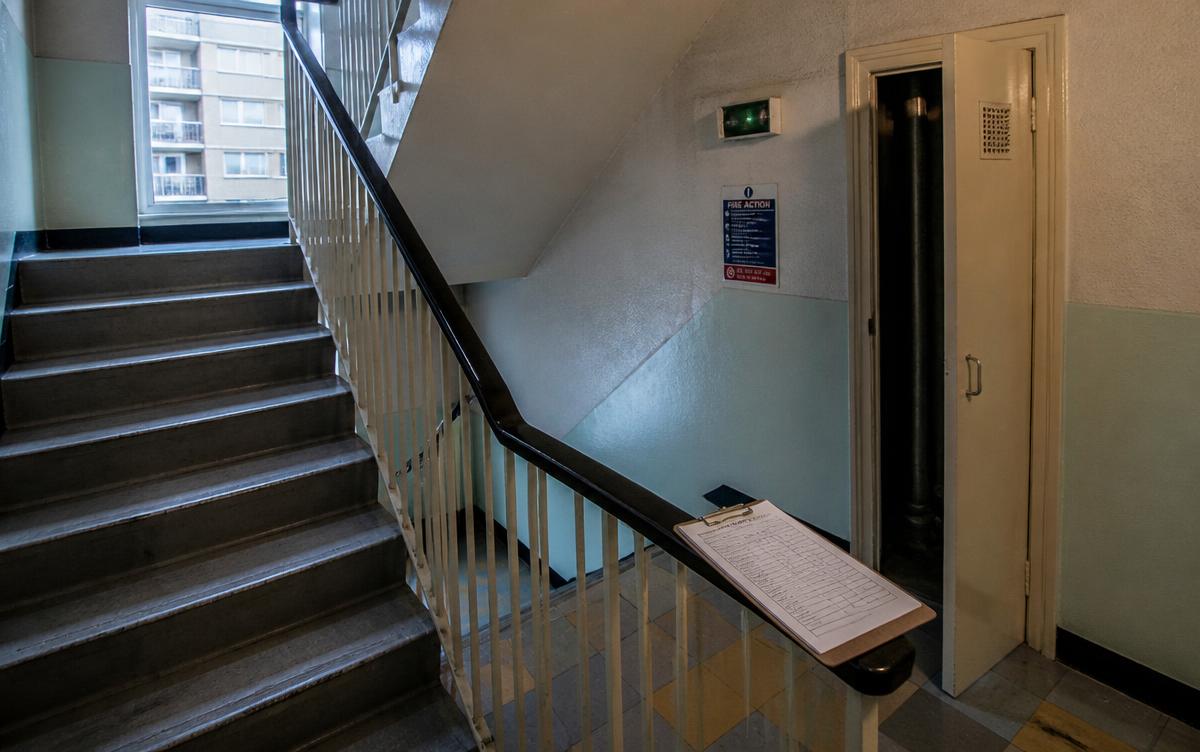
A leasehold sale or remortgage runs on the leasehold information pack for the building. The buyer's conveyancer and the lender read it looking for anything that makes the flat harder to sell on, and safety documents about the shared parts are near the top of that list: is there a current fire risk assessment, and has asbestos in the shared areas been identified and managed. Both questions concern the same hallway, so they arrive in the same email — and either one missing has the same effect, which is a transaction that stops until somebody produces paperwork. Freeholders who keep both current and dated find that enquiries drop and sales complete without the four-week gap in the middle.
- Both documents concern the common parts, not the individual flat being sold
- A lender's valuer may raise them independently of the buyer's solicitor
- An out-of-date fire risk assessment reads the same as no fire risk assessment
- An asbestos register with no management plan is an incomplete answer
The fire risk assessment duty in plain terms
The Regulatory Reform (Fire Safety) Order 2005 applies to the common parts of buildings containing two or more sets of domestic premises. The responsible person must make a suitable and sufficient assessment of the risks to which relevant persons are exposed from fire, act on the significant findings, and keep the assessment up to date. In a converted house that means the shared front hallway and the staircase everyone escapes down; in a block it means the lobbies, corridors, stairs, plant rooms and bin stores. It does not assess the inside of a leaseholder's flat, though flat entrance doors matter enormously because they are the boundary that protects the escape route.
The asbestos duty to manage in plain terms
Regulation 4 of the Control of Asbestos Regulations 2012 places a duty to manage asbestos on whoever has responsibility for the maintenance and repair of non-domestic premises — and, crucially for blocks and conversions, that includes the common parts of domestic buildings. The duty holder must take reasonable steps to find out whether asbestos-containing materials are present and in what condition, presume materials contain asbestos unless there is strong evidence otherwise, record the findings, assess the risk of exposure, and prepare and act on a written plan to manage it. It is a continuing duty: the register has to be reviewed and updated, and the information given to anyone who might disturb the material, from an electrician in the risers to a decorator on the stairs.
- Find out whether asbestos is present, and presume it where you cannot be sure
- Assess the condition and the likelihood of disturbance
- Record it in a register, with locations and photographs
- Prepare a written management plan and act on it
- Review it, and tell contractors before they start work